At Sphere, teachers and students both hold knowledge. Teachers begin an activity by asking students what they already know about a topic. This first conversation is tuning in, and through it teachers find out how each student prefers to learn about the theme and the best way for them to truly learn it.
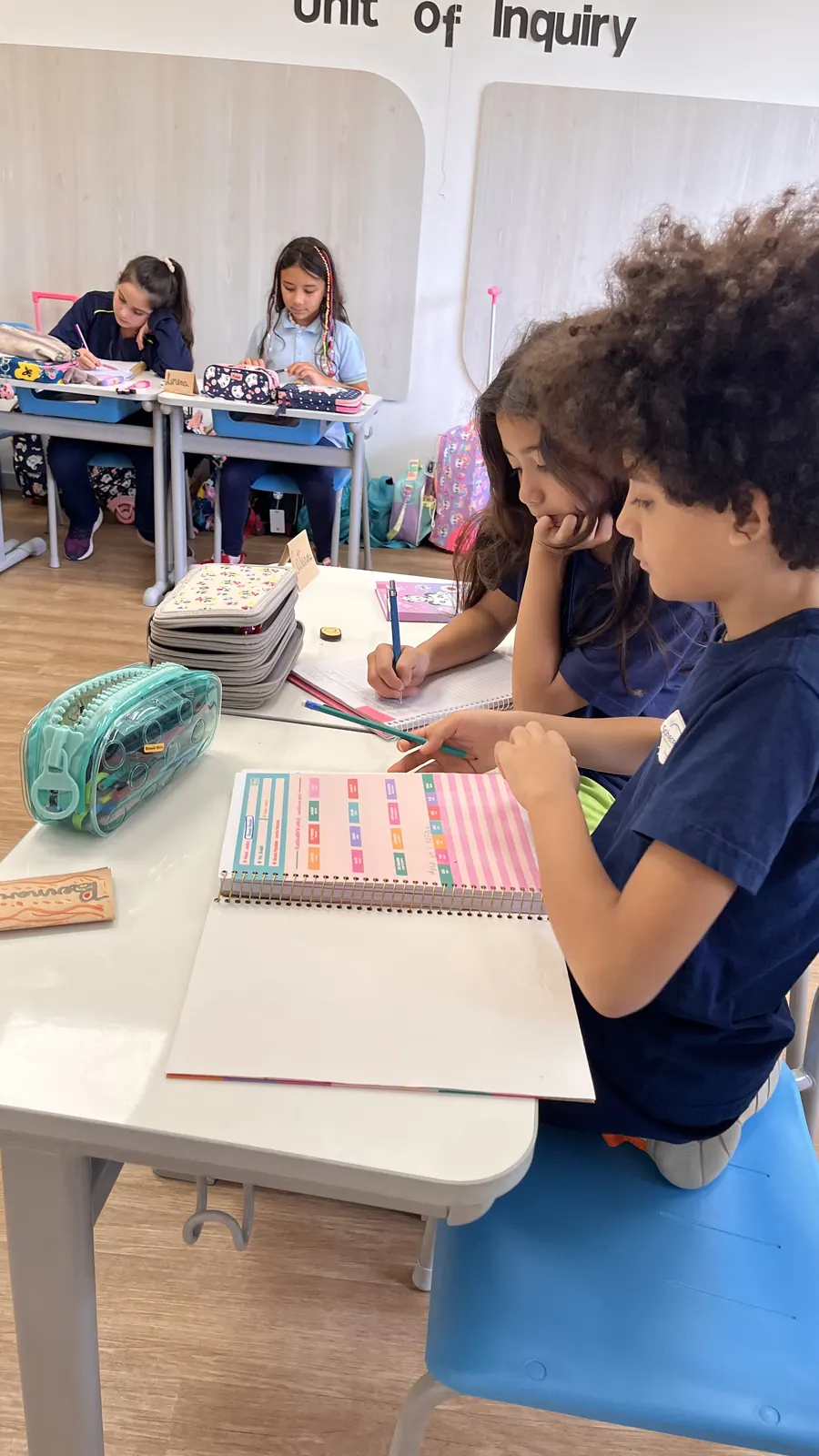
From Early Childhood onwards, students come to understand which academic strategies they need, and each of them grows in self-knowledge to manage that learning better. Sphere students manage their own learning, under the supervision of their teacher, in a well-organised way, because teachers assess learning in every activity.
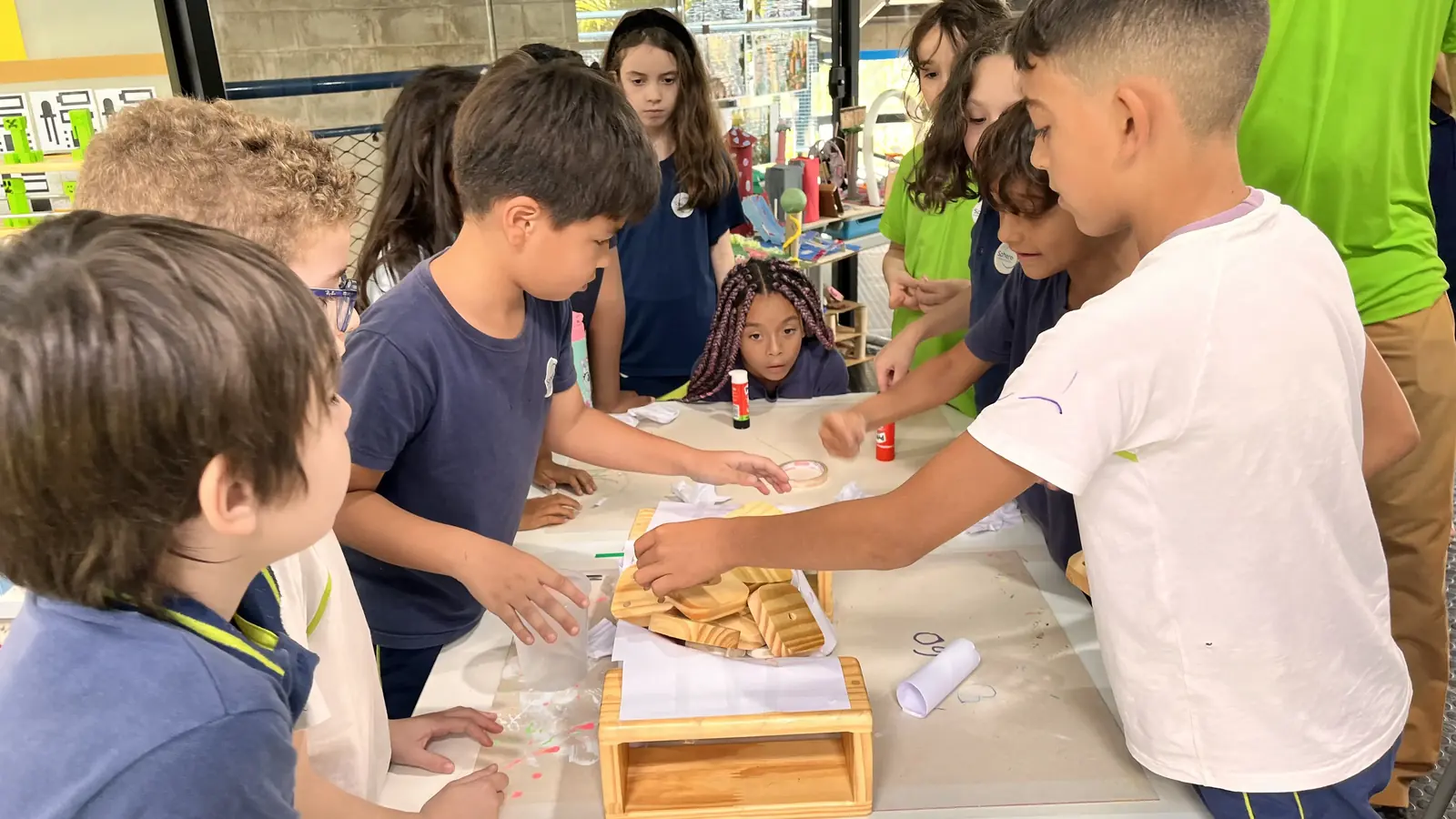
At this stage, teachers help students sort out the information and go further into the content, because knowledge never stays on the surface (academic rigour). Students are asked questions about the topic and, from there, begin making conclusions. Students research! They learn! They know what it is for! And how they can use it in everyday life!
Through the inquiry cycle, students learn exactly what something is for and how it will change or affect their lives, and from there they are able to take action.
For example: if students are learning about the oceans, they go through the whole inquiry process and come to understand the concept. In their research they may come across ocean pollution, and begin to see how they can become agents of change through recycling, helping to clean up the ocean. This is a simple example of how information becomes knowledge and knowledge becomes action.